
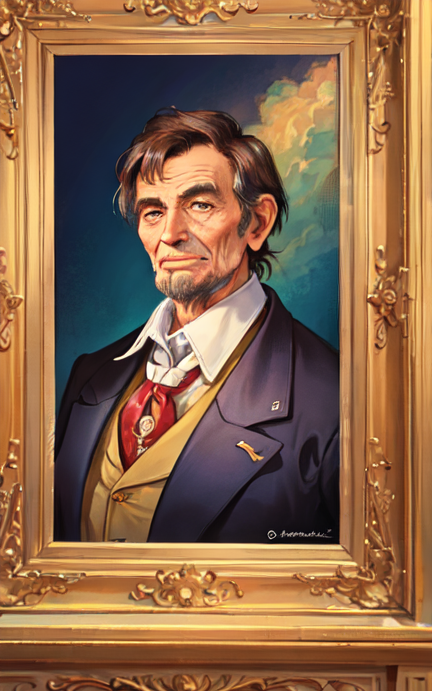
Imagining a world where the assassination attempt on Abraham Lincoln was unsuccessful is a fascinating exercise in alternate history. While it’s impossible to predict all the specific details, we can speculate on some potential differences:
Abraham Lincoln, the 16th President of the United States, had a unique approach to international relations that could have shaped the nation’s interactions with other countries during and after the Civil War. During his presidency, Lincoln faced various challenges both domestically and internationally.
Between 1865 and 1877, the United States underwent significant political, social, and economic changes after the Civil War. Suppose Abraham Lincoln had lived to see the Reconstruction through. In that case, his vision for the South may have shaped the post-war landscape differently. Lincoln believed in extending amnesty and leniency to the defeated Confederacy, aiming to heal the wounds of a divided nation rather than seek revenge. This approach could have reduced some of the hatred and resentment during Reconstruction. Lincoln may have sought to rebuild the South by prioritizing reconciliation through cooperative efforts between Northerners and Southerners. His emphasis on economic development and infrastructure projects would have facilitated a smoother transition from a war-torn region to one that could actively participate in the nation’s progress. Lincoln’s commitment to civil rights for formerly enslaved people would have remained a central aspect of his Reconstruction policies.
With him at the helm, efforts to secure and protect the rights of African Americans might have been more steadfast, potentially avoiding some of the setbacks and subsequent backlash experienced during Reconstruction. Lincoln’s leadership and charisma could have garnered more significant support from both sides of the political spectrum. His ability to bridge ideological divides may have lessened the hostile tensions between Radical Republicans in Congress and Southern Democrats. A more united front during the Reconstruction period could have resulted in more effective policy implementation and a greater chance for success in achieving true equality and unity. Unfortunately, President Lincoln’s untimely assassination in 1865 drastically altered the course of Reconstruction. His successor, President Andrew Johnson, pursued a different approach, which ultimately faced significant challenges and criticism. Although we can only speculate on the alternative path that could have been forged under Lincoln’s guidance, his legacy as a leader who aimed to heal a fractured nation remains an integral part of American history.
Abraham Lincoln, a prominent figure in American history, dedicated himself to eradicating the abhorrent practice of slavery and paving the way for civil rights advancements for African Americans. His presidency could have resulted in even more significant achievements in the relentless struggle for racial equality if he had lived longer. Lincoln’s remarkable leadership brought about a profound transformation in the United States during his tenure. The Emancipation Proclamation, issued in 1862, provided the foundation for the liberation of enslaved individuals in Confederate territory.
However, due to the ongoing Civil War, its impact was limited to those areas still under Confederate control. The 13th Amendment to the United States Constitution passed shortly after Lincoln’s untimely death, permanently abolishing slavery throughout the nation. Had Lincoln survived and completed his second term, his continued pursuit of civil rights could have led to further legislative measures to ensure equality and justice for African Americans.
The Reconstruction era presented an opportunity for social progress, but it faced resistance and setbacks. Lincoln’s influence and political skills allowed him to support inclusive policies for African Americans. With his leadership, he could have helped address challenges and promote unity. However, his assassination left a void in the political landscape, impacting the path towards equality and creating more political turmoil and divisions.
The assassination of Lincoln had a huge impact on the political scene, no doubt about it. The country really needed his strong leadership and his unwavering commitment to justice and equality, especially after the Civil War. It’s hard to say exactly how things would’ve turned out if Lincoln was still around, but one thing’s for sure – his absence changed the course of American politics big time. We can only imagine the kind of influence he would’ve had on the Republican Party and national politics as a whole. During the Civil War, Lincoln was widely respected and loved for his efforts to keep the country united and end slavery.
Changing such a significant event as Lincoln’s absence would have profound and far-reaching consequences, altering the course of history in unimaginable ways. Imagine if Lincoln had never been present during critical diplomatic negotiations and strategic decision-making processes. Without his guidance and leadership, the trajectory of the United States and the world would have been vastly different.
Lincoln’s presidency was a pivotal moment in American history, defined by the tumultuous Civil War. His actions and decisions during this time had a profound impact, not only on the United States but also on nations around the globe. By firmly standing against slavery and leading the Union to victory, Lincoln sent a powerful message that the United States was committed to ending this cruel institution. This had far-reaching implications, causing other countries to pause and reconsider their support for the Confederacy.
Had Lincoln not been tragically assassinated, he would have continued to shape the post-war world order. The challenges faced by the United States at that time were immense, with the stability and unity of the Union hanging in the balance. However, Lincoln’s unwavering determination to preserve the Union and advocate for justice left an indelible mark on history.
Not only did Lincoln’s foreign policy decisions help navigate the complexities of the conflict, but they also played a crucial role in shaping how the world perceived the United States. His leadership and steadfast commitment to principles influenced the global perception of America as a nation fighting for freedom, equality, and justice.
Furthermore, Lincoln’s legacy extends beyond the Civil War era. His impact on the United States’ political landscape and its institutions continues to shape the country today. His vision for a united and egalitarian society has inspired generations of leaders and activists who strive for a better future.
His ability to inspire and unite people from diverse backgrounds demonstrated his exceptional leadership skills and unwavering belief in freedom and equality. There is a strong possibility that his influence within the Republican Party would have continued to grow. Lincoln could have helped shape the party’s platform and agenda, ensuring it remained anchored in justice, equality, and progressive principles with his wise counsel and astute political maneuvering. Lincoln’s absence from the political scene profoundly impacted the nation’s trajectory after the Civil War.
Lincoln’s foreign policy was characterized by his commitment to diplomacy and non-intervention, even amid immense pressure and the temptation to seek foreign assistance during the war. He was determined to handle the conflict internally and avoid external entanglements, which helped maintain the integrity of the Union and prevented the conflict from becoming an international crisis.
Lincoln skillfully navigated the diplomatic arena, seeking to maintain friendly relations with various foreign powers. He understood the potential ramifications of international recognition of the Confederacy and worked tirelessly to prevent it. As the war ended with the Union emerging victorious, Lincoln’s foreign policy objectives shifted towards healing the nation’s wounds and establishing a sense of global respect for the reunited United States.
He sought to rebuild the international reputation of the United States, emphasizing its commitment to democratic principles, human rights, and a vision of a unified nation. His skilled diplomacy and heartfelt rhetoric resonated with world leaders, positioning the United States as resilient and promoting goodwill among nations.
It is challenging to say how Lincoln’s approach to foreign policy would have evolved in the post-war era if he had lived beyond 1865, as the dynamics of international relations are subject to numerous variables. However, during his presidency, Lincoln exhibited a careful, moral, and pragmatic approach to international relations, which contributed to preserving the Union and ultimately shaped the nation’s relationships with other countries during and after this transformative period in American history.
During his presidency, Abraham Lincoln demonstrated a progressive and inclusive approach toward Native Americans. He aimed to establish policies that recognized the sovereignty of Native American tribes while also building positive relationships with them. Unlike his predecessors, who pursued confrontational policies, Lincoln sought to establish a more collaborative and mutually beneficial relationship with Native American tribes.
As a leader, Lincoln prioritized diplomatic ties and fair treatment of Native American nations. His administration worked towards securing land rights, promoting fair trade, and protecting tribal interests. Lincoln believed these principles were vital to fostering harmony and cooperation with Native American tribes. He also advocated for quality education for Native American children, recognizing its potential to equip future generations with the necessary tools and knowledge.
Despite his tragic assassination in 1865, Lincoln’s influence continued to shape future policies, paving the way for more inclusive and respectful approaches toward Native Americans. His progressive and inclusive attitudes and policies towards Native Americans were commendable, and his legacy continues to inspire a more equitable relationship between the United States and Native American tribes.
Each historical event is interconnected and can lead to unpredictable consequences, even with minor changes. Reflecting on the “what ifs” of history can be intriguing. Still, we must recognize that we cannot alter the past. The events that have impacted our world and communities have already happened, so it’s crucial to gain insight from them, grasp their importance, and work towards creating a better tomorrow.
In summary, changing a crucial moment such as Abraham Lincoln’s assassination would have far-reaching consequences. The intricate relationship between historical events and the cause-and-effect mechanism makes it impossible to accurately anticipate the outcome of such a change.
 Monocle Owl