
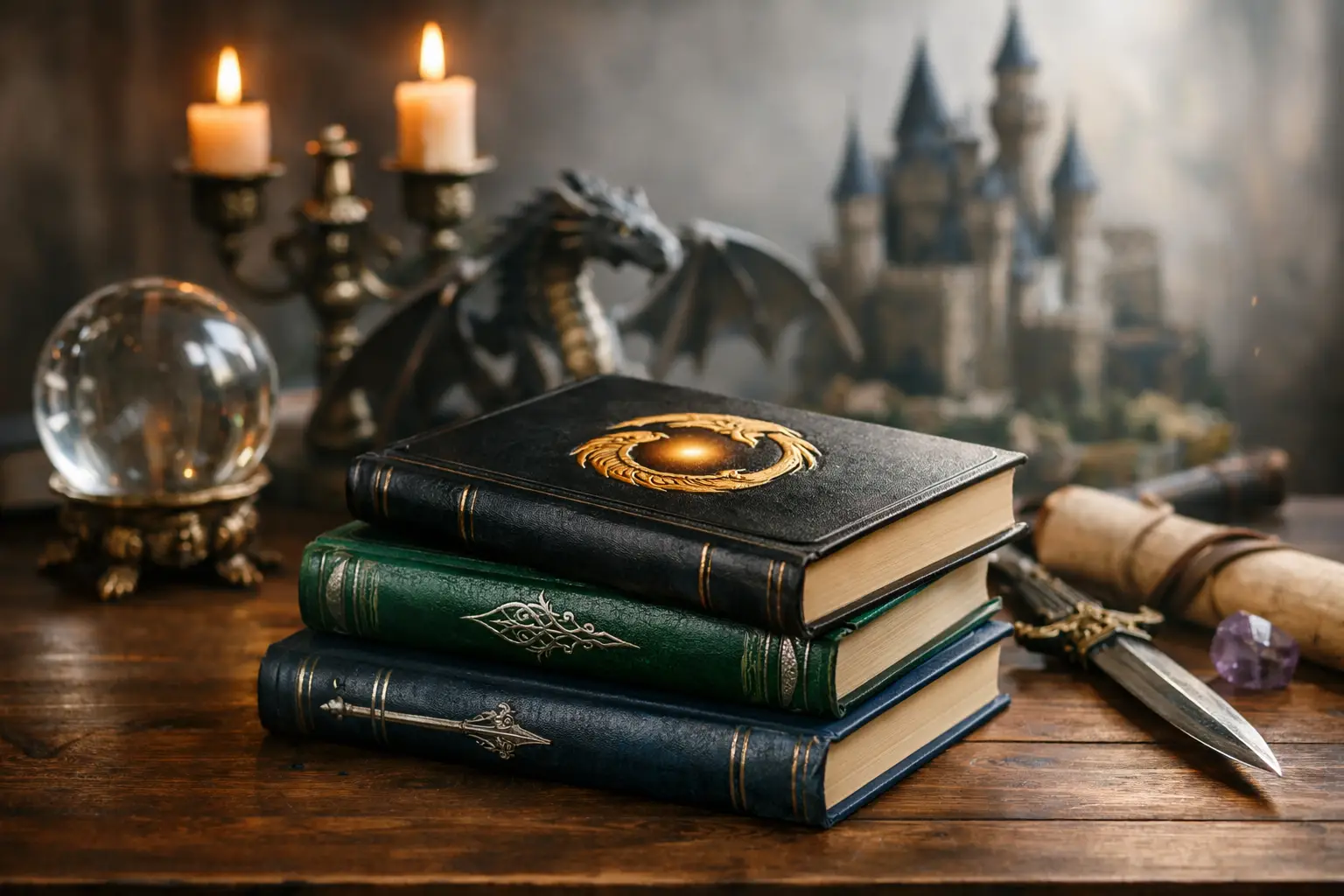
If you read fantasy with a running tab open in your head for release dates, series gaps, and rumor-level cover reveals, then new book releases 2026 fantasy is already a live question. Not because every title is known yet, but because the shape of the year starts forming early. Publishers seed announcements months ahead. Authors hint at draft progress. Series readers begin doing the math.
That early window matters. A strong fantasy year is not just about the biggest hardcover on the shelf. It is also about timing, momentum, and which books arrive when readers are ready for them. Some years lean heavily on established names. Others open space for darker debuts, hybrid subgenres, or books that would have felt risky two seasons earlier. 2026 looks likely to be one of those mixed years, with room for blockbuster continuation and stranger work at the edges.
What new book releases 2026 fantasy readers should expect
The safest prediction is also the most useful one: 2026 fantasy will not move in a single direction. Epic fantasy is still healthy, but it no longer stands alone as the center of gravity. Readers want scale, yes, but they also want velocity, intimacy, and sharper atmosphere. That means the release calendar will likely split across several lanes at once.
One lane is the flagship sequel. These are the books that carry years of reader investment and dominate early conversation. They come with a built-in audience, but also a heavier burden. A sequel can sell on anticipation and still disappoint if it stalls the larger arc or spends too much time rearranging pieces for the next installment. For readers tracking 2026, these books will matter, but not automatically for the best reasons.
Another lane is the breakout debut with a clean hook and strong aesthetic identity. Fantasy readers are not shy about trying new voices when the premise is clear and the execution feels deliberate. A debut does not need the largest world to make an impact. It needs confidence. In recent years, readers have rewarded books that know exactly what kind of experience they are offering, whether that means court intrigue, folk horror, military fantasy, or something harder to label.
Then there is the cross-genre lane, which may be the most interesting part of the year. Dark fantasy with science-fiction pressure. Secondary worlds shaped by systems, surveillance, or machine logic. Books that still deliver mythic scope but refuse older genre boundaries. For readers who like both epic fantasy and techno-noir textures, this is where 2026 could get especially sharp.
The trends shaping new book releases 2026 fantasy
Fantasy publishing follows reader appetite, but it also reacts to fatigue. When one mode becomes too dominant, the next wave usually pushes against it. That tension is useful if you are trying to read the market before all the titles are public.
Bigger worlds, tighter books
Readers still want immersion, but fewer have patience for bloated first acts and encyclopedic setup with no emotional pull. One likely pattern in 2026 is the return of large-scale fantasy told with more discipline. That means books that feel expansive without reading like homework.
This is good news for anyone who loves worldbuilding but does not want to spend 150 pages waiting for the story to begin. Expect authors and publishers to favor books that establish a system, conflict, and tone fast. The world can deepen later. The opening has to earn trust.
Darker tones with cleaner hooks
A lot of fantasy readers want morally tense stories, but they also want to know what the book is doing from the start. The strongest dark fantasy releases tend to pair harsh stakes with a clear engine: revenge, succession, exile, heresy, war, or survival under an impossible order. That balance will likely define many of the most talked-about 2026 titles.
Darkness alone is not a selling point anymore. Readers have seen enough grim aesthetics without substance. The books that break through are usually the ones with a memorable premise and a voice strong enough to carry it.
More hybrid energy
This has been building for a while, but 2026 may push it further. Fantasy is increasingly comfortable borrowing from noir, horror, speculative thriller, and even cyberpunk logic. Not every reader wants that blend, and that is the trade-off. Hybrid books can feel electric when they land, but they can also alienate readers expecting a more traditional rhythm.
Still, for discovery-minded readers, this is one of the healthiest signs in the field. Genre walls matter less when the storytelling is precise. A book can be epic and strange at the same time.
How to track fantasy releases without missing the good stuff
The hardest part of following a release year is not finding the obvious books. It is spotting the right ones before the noise spikes around them. Big publisher campaigns will find you. The better challenge is catching the titles that fit your taste before they become everyone else’s algorithmic recommendation.
Start with author channels, not retail pages. Authors usually signal progress well before a formal launch cycle begins. Draft updates, cover teases, newsletter notes, and platform posts often tell you more than a store listing that has not fully populated yet. If you care about epic fantasy, dark speculative fiction, or crossover work, direct author communication is usually where the real calendar starts.
Pay attention to imprint patterns too. Most fantasy readers follow authors, but imprints often reveal an editorial lane. If a publisher has been putting out the kind of fantasy you trust, their upcoming slate is worth watching early. The same goes for editors whose lists tend to favor either classic secondary-world work or more experimental genre blends.
Goodreads anticipation can help, but only to a point. It is useful for visibility and rough momentum, not certainty. Some books stack early interest because the author is already established. Others arrive quietly and gain traction after release because readers respond to the actual read, not the pre-launch aura.
If you want a cleaner signal, follow the overlap between announcement language and reader chatter. When both sides align, a book usually has real shape. When the pitch sounds polished but readers are not repeating the premise back in their own words, that can be a warning sign.
Which fantasy books in 2026 are most worth watching?
At this stage, the smart answer is categories rather than fake certainty. The most promising new book releases 2026 fantasy will probably come from four groups.
The first is the major sequel with genuine narrative pressure behind it. Not every continuation deserves automatic attention, but some do. If a previous book ended with meaningful disruption instead of manufactured suspense, the follow-up has a real chance to dominate the year.
The second is the debut with an unmistakable voice. This is often where the year’s most discussed surprise emerges. Readers remember atmosphere, authority, and clean storytelling more than trend-chasing premises.
The third is the hybrid title that knows exactly how far to bend genre. These books can become favorites because they offer a reading experience that feels harder to replace. They are not just fantasy with decorative sci-fi or noir pieces attached. They are structured around that fusion.
The fourth is the under-marketed book from a writer with a strong niche following. These are easy to miss if you only watch bestseller lists. They are often the books readers end up pressing into friends’ hands six months later.
For readers who already track author-first spaces, this is where an independent platform like The Blip Side Press fits naturally. Not as a generic bookstore shelf, but as a signal source – a place where the line between release news, works in progress, and the author’s actual creative direction stays visible.
Why 2026 fantasy could be a strong year for serious readers
A good fantasy year is not measured only by hype. It is measured by range. Can the calendar serve readers who want enormous secondary worlds, and readers who want something leaner, darker, or structurally stranger? Can it reward loyalty to long series while still making room for newer voices?
2026 has a chance to do that. The market has enough confidence in fantasy to support major names, but enough pressure from readers to demand sharper execution. That tension tends to produce better books. Established authors cannot coast as easily. Newer writers have more room to define themselves against a crowded field.
There is also a practical reason for optimism. Readers are better at finding their exact lane than they were a few years ago. Someone looking for classic epic fantasy, romantasy-adjacent court drama, folk-dark standalone work, or techno-inflected speculative crossover can now identify those signals earlier. That makes the release year feel less like one monolithic event and more like a map with multiple paths through it.
That is probably the right way to approach 2026. Not as a single ranking of the biggest fantasy books, but as a reading year with distinct territories. Watch the sequels, but do not let them take all the oxygen. Watch the debuts with real voice. Watch the hybrid books that sound slightly difficult to market. Those are often the ones that stay with you.
If you are building your 2026 list now, leave room for the title you have not heard of yet. Fantasy is still at its best when a book appears out of nowhere, names its own weather, and earns a place on your shelf before the season is over.